










What is stress?
Stress is the body’s biological response to a perceived threat or challenge. It’s a natural physiological reaction that activates our survival mechanisms, commonly known as the “fight-or-flight” response.
How does the stress response work?
When the brain detects a threat – whether physical (danger) or psychological (tension, deadlines, problems) – it activates the hypothalamic-pituitary-adrenal axis (HPA axis). This triggers the release of hormones such as:
- Adrenaline – speeds up heart rate, raises blood pressure, and mobilizes energy.
- Cortisol – the main “stress hormone” that provides the body with glucose for quick action.
Short-term stress can be helpful – it boosts alertness, sharpens focus, and improves reactions. The problem arises when stress becomes chronic, as the body stays in a state of constant tension.
What is stress?
- Stress drains your energy. You feel exhausted, even when “nothing special” has happened.
- It wrecks your health. Headaches, insomnia, body aches? This isn’t just “fatigue” – it’s a red flag screaming: “Stop!”
- It changes who you are. More irritable, more anxious, more apathetic... You can’t even remember the last time you felt truly calm.
And the worst part? You've gotten used to it.
Stress is the “best friend” you never wanted
Stress has moved into your life like an uninvited guest who refuses to leave. Long work hours, endless deadlines, a phone that never stops vibrating… Every day feels like an ultramarathon—with no medal at the finish line.
And you know what’s even worse? People brag about it.
“Dude, I worked 16 hours yesterday!”
“Five coffees and I’m still standing!”
“I sleep 4 hours a night, but hey—gotta hustle!”
Seriously? When did it become ‘cool’ to be chronically exhausted?
Has anyone ever proudly said:
“You know what? I slept 8 hours, I feel amazing, full of energy, and I’m actually enjoying life!”
No. Because we’ve turned into robots addicted to chaos.
Stress is like that annoying neighbor who knocks on your door at the worst possible moment. First it’s just a little irritating. Then it starts shouting. And eventually—it kicks the door down and moves in without asking.
What happens to your body under stress?

When faced with a challenge – whether it’s a wild animal in the forest or a looming deadline – your body immediately mobilizes all its resources to react in one of two ways: fight or flight.
The nervous system is your body’s command center. It tells your heart to beat, your lungs to breathe, your muscles to move. But when you're under stress, it shifts into high alert – and sometimes, it just doesn’t switch off.
- Short-term stress (adrenaline) – Imagine suddenly coming face-to-face with a bear. Your brain instantly activates the sympathetic nervous system, flooding your body with energy so you can react in a flash.
- Prolonged stress (cortisol) – You know that feeling when you’re anticipating an exam, dealing with a financial worry, or preparing for an important meeting. In small doses, this kind of stress can help us stay focused and alert.
But when your body remains in this state for days, weeks, or even months, what was once helpful becomes destructive – draining both mind and body.
If stress were an enemy, your body would be at war every single day.
- Your heart beats faster to pump more oxygen to your muscles. This raised blood pressure and rapid heart rate increase your risk of heart disease.
- Your breathing quickens to get more oxygen into your bloodstream. This can lead to hyperventilation and a sensation of breathlessness.
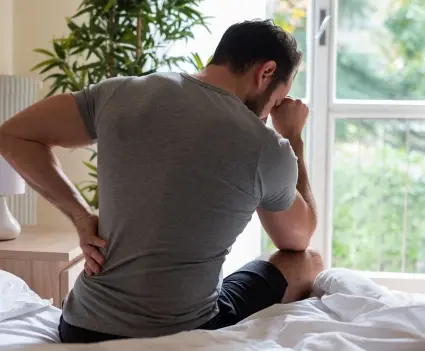
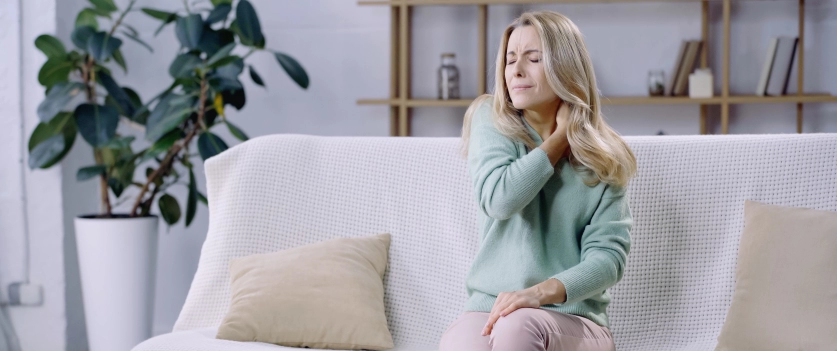
- Your muscles tense up to defend against the perceived threat. Constant tension may cause headaches, stiffness, and chronic pain in the back and neck.
- Your blood sugar spikes to provide extra energy. But chronic stress can lead to insulin resistance and type 2 diabetes.
- Your digestion slows down because survival matters more than processing lunch. Stress disrupts the digestive system, causing acid reflux, constipation, diarrhea, bloating, and appetite changes.
- Your reproductive system can become imbalanced. Chronic stress affects hormone levels, lowers libido, and may impair fertility.
- High cortisol levels from chronic stress increase cholesterol, cause weight gain, insomnia, and even osteoporosis.
- Your immune system weakens. Stress literally switches off your body’s defenses, making you more prone to colds, infections, and illness.
It would make sense – if you were actually running from a bear.
But in today’s world, this response is triggered not by wild animals, but by emails, traffic, social media, endless meetings, and overloaded schedules. And since modern stress doesn’t last five minutes – it lasts days, months, or even years – your body stays stuck in survival mode far too long.
The result?
- The heart is overworked → risk of high blood pressure and heart problems.
- Constant high cortisol → leads to weight gain, anxiety, and chronic fatigue.
- The brain is in chaos → concentration and memory decline.
- The body is drained → weakened immunity, muscle pain, headaches.
And the worst part? Your brain gets used to it.
Stress doesn’t come with a neon sign that says: “Hey, it’s time to crash.” It sneaks in quietly, drop by drop, until you realize you’re on the edge.
Some people feel it instantly – racing heart, sweating, restlessness. Others don’t notice until their body sends louder signals – headaches, pain, digestive issues.
And then there’s a third group – those so used to stress they don’t even recognize it. They carry it like an invisible backpack until one day they realize they just can’t anymore.
But how do you know if stress has taken over?

What triggers stress?
Stress doesn’t just happen randomly – so what pulls the trigger? What wears down our minds and bodies day after day?
- Work (66%) – Office stress: deadlines, pressure, toxic environments, or just the numb sense of being “on autopilot” in your career.
- Financial worries (61%) – Bills, inflation, future uncertainty – money isn’t just paper anymore; it’s a direct source of sleepless nights.
- Family responsibilities (57%) – Juggling personal life and professional duties can feel like throwing flaming torches in the air.
- Health issues (52%) – Illnesses, chronic fatigue, mysterious symptoms doctors can’t explain – stress often shows up in the body first.
- Relationships (51%) – Even our closest people can cause tension – relationship struggles, parenting challenges, social isolation.
But here’s the twist – these triggers are visible. What about the hidden ones working behind the scenes?
- Digital overload – News, notifications, emails, nonstop chat pings – the brain never gets a moment to breathe.
- Too many choices – From choosing the best diet to picking the next series – the abundance of options leads to mental fatigue.
- Social pressure – “I have to succeed,” “I must look perfect,” “I need to be productive 24/7” – imposed standards keep us chained to expectations.
- Lack of recovery time – We live in overdrive, but when was the last time you gave your body and mind a real break?
Intense stress - symptoms. When is the body under intense stress?
Intense stress doesn’t knock - it crashes in like thunder from a clear sky, slamming your body with full force. These are the moments when it feels like you simply can't take it anymore.
Physical symptoms:
- Heart palpitations and rapid pulse – you feel your heartbeat pounding in your throat.
- Shortness of breath – your breathing becomes shallow and erratic.
- Sweating and trembling – your palms are drenched, your muscles tense like coiled springs.
- Headache – as if your brain is caught in a vice.
- Dizziness or vertigo – you feel off balance, like you're about to collapse at any moment.
Psychological symptoms:
- Panic attacks – a sudden surge of fear that everything is falling apart.
- Sense of hopelessness – as if no matter what you do, there’s no way out.
- Extreme mood swings – one minute you're angry, the next you're in tears.
- Irritability – everything gets on your nerves, even the sound of silence.
If you’ve reached this point, your body is screaming: “STOP! SOMETHING HAS TO CHANGE.”
Chronic stress symptoms. What is chronic stress?
If acute stress is like a lightning bolt from a clear sky, chronic stress is like water slowly wearing you down. You don’t notice it at first, but over time, it erodes everything.
Chronic stress happens when tension doesn’t just come and go – it becomes your way of life. It’s the constant worry you carry even when everything seems “normal.”
Chronic stress is a prolonged state of mental and physical tension caused by long-term exposure to stressors – for days, weeks, or even months. Unlike short-term stress, which can be motivating, chronic stress wears down the nervous system, disrupts hormonal balance, and increases the risk of depression, heart disease, digestive issues, and sleep disturbances.
How to recognize chronic stress?
Physical symptoms:
- Persistent fatigue, even after 8 hours of sleep.
- Muscle tightness, especially in the neck, shoulders, and back.
- Digestive issues – bloating, acid reflux, irritable bowels.
- Frequent colds and a weakened immune system – because your body is constantly depleted.
Psychological symptoms:
- Difficulty concentrating and “brain fog” – you forget things, struggle to focus.
- Insomnia or restless sleep – trouble falling asleep or waking up during the night.
- No joy from the things that once made you happy.
- Ongoing anxiety and irritability that feel uncontrollable.
Chronic stress doesn’t go away on its own. If left unchecked, it can lead to depression, cardiovascular disease, or even autoimmune disorders.
Health issues linked to chronic stress:
- Cardiovascular disease – high blood pressure, angina, high cholesterol, increased risk of heart attack and stroke
- Hormonal imbalance – elevated cortisol, thyroid problems, insulin resistance
- Metabolic dysfunction – weight gain, type 2 diabetes, slow metabolism
- Digestive issues – irritable bowel syndrome, gastritis, ulcers, constipation or diarrhea
- Mental health disorders – anxiety, depression, emotional burnout, panic attacks
- Sleep disturbances – insomnia, restlessness, frequent nighttime awakenings
- Weakened immune system – more frequent colds, infections, autoimmune disease
- Musculoskeletal problems – chronic neck and back pain, muscle tension, headaches
- Skin issues – acne, eczema, psoriasis, hair loss
How does chronic stress affect the nervous system?
- Brain overload – Chronic stress exhausts the nervous system, causing “brain fog,” forgetfulness, poor focus, and even depression.
- Mind-body disconnect – Stress “mutes” body signals, leading to low energy, reduced pain sensitivity, and emotional burnout.
- Increased risk of neurodegenerative disease – Long-term stress may accelerate cognitive decline and increase the risk of conditions like Alzheimer’s and Parkinson’s.
Ignoring chronic stress doesn’t make it less dangerous. The longer your body stays in a state of tension, the more serious the consequences. It’s time to pause. Slow down. Reclaim your balance.
Emotional stress – symptoms. How to recognize emotional stress?
Emotional stress is a state of inner tension triggered by intense or prolonged emotions such as anxiety, anger, sadness, or fear. It occurs when the mind struggles to cope with life situations that become overwhelming – like conflicts, losses, uncertainty, or overload. It’s often accompanied by physical symptoms like insomnia, headaches, fatigue, and heart palpitations, as well as psychological ones – irritability, confusion, apathy, or panic.
Stress isn’t just physical. Sometimes it lives in your mind – silent but destructive.
Emotional stress feels like you just can’t cope. Like everything is too much. Like you’re drowning in your own life.
How does emotional stress feel?
- Constant sense of anxiety – even when everything seems fine.
- Pessimism – your brain always expects the worst.
- Hopelessness – as if there’s no way out of the situation.
- Social withdrawal – avoiding friends, skipping conversations.
- Lack of motivation – even simple tasks feel impossible.
Emotional stress is a sneaky enemy – you can’t see it, but it affects every part of your life. If ignored, it can evolve into chronic anxiety or depression.
What’s next?
If someone told you “just don’t stress,” would you believe them? Of course not. If it were that easy, no one would suffer from stress.
The truth is, stress must be acknowledged, accepted, and managed.
This article explores real strategies that actually work for dealing with stress.
And no, I won’t just say “meditate and drink tea.” I’ll show you how to shut off stress – physically and emotionally.
From innocent stress to chronic overload. Burnout – when does the collapse occur?
Stress is like water in a kettle. First it's warm, then it boils... and then – it explodes. And when it explodes, the consequences are devastating.
- First comes the fatigue. Oh, it’s normal – just a little more coffee.
- Then comes the anxiety. But no big deal – just another day under pressure.
- Next – insomnia. You toss and turn, your thoughts won't stop... but this will pass, right?
- Headaches, back pain, panic attacks. It’s not passing anymore.
- And before you know it… you're not just tired. You're burned out.
You give everything to your job, to others, to the world… but what’s left for you?
- Your body falls apart. Pain, chronic illness, digestive problems.
- Your brain is foggy. You forget things, it's hard to concentrate.
- Your mood is constantly low or apathetic. You're annoyed by everything, you feel like a stranger in your own life.
Burnout: When you press the gas… but the tank is empty
We’ve all heard of burnout – exhaustion, lack of motivation, total emotional meltdown. But what happens when you're completely burned out and still keep going?
That’s the moment when you're not just tired – you’re in full self-destruction mode. Imagine driving a car with an overheated engine, no oil, smoke coming from the hood… but you keep hitting the gas.
- You know something’s wrong. But you keep saying “Just a bit more, then I’ll rest.”
- You have headaches, back pain, can’t sleep, but keep fueling yourself with coffee and pushing on.
- You feel like a zombie, but can’t stop.
Sound familiar? This isn’t just stress. It’s a sign you’ve crossed the line.
How do you know burnout has taken over?
- Your body is screaming “ENOUGH,” but you silence it with caffeine, painkillers or “just one more hour of work.”
- You have chronic insomnia – you go to bed, but your brain is racing.
- Nothing excites you – even your favorite things are “just one more thing on the list.”
- You feel stuck in a permanent stress mode – and relaxation seems impossible.
Burnout = A one-way ticket to a crash
Burnout doesn’t happen overnight – it’s like a slow-burning fire that eventually consumes everything. Ignore the warning signs? You’ll face breakdowns, autoimmune diseases, heart attacks, total physical and emotional exhaustion.
How to get out of burnout before it’s too late?
- Take your foot off the gas. Stop with the “I don’t have time to rest” excuses. If you don’t stop yourself, your body will – the hard way.
- Unplug. Literally. Phone, laptop, emails – they keep your brain on high alert. Give yourself a digital break.
- Massage – the secret to releasing tension. While workaholics chug energy drinks, the smart ones choose massage. It’s scientifically proven to lower cortisol levels, release built-up tension, and help your body exit stress mode.
- Sleep. Really sleep. No phone in bed, no “just one more episode.” Give yourself a real chance to recover.
Burnout isn’t just tiredness – it’s a dead end. If you recognize yourself in any of these signs, hit pause now. Because the next stop might be a hospital bed.
If even one part of this feels familiar – keep reading.
WHAT IF… YOU JUST TRIED LIVING WITHOUT STRESS?
Let’s imagine a different scenario:
Imagine waking up in the morning not with heaviness in your chest, but with energy.
That during the day your mind is clear, not swimming in chaos.
That at night you’re not counting sheep, but falling into deep, restful sleep.
Sounds amazing, right?
Now the good news: It’s possible.
Stress isn’t something you have to live with. It’s something you can overcome.
Strategies for coping with stress: how to calm down?
A guide to inner peace
How to quickly cope with stress?
How to Calm Down? Breathe like someone who wants to live, not just survive
- Breathe deeply: When tension builds up, pause for a moment and take a few deep breaths. It helps you calm down and regain focus.
- Most people breathe shallow and fast, especially under stress. That only makes things worse. Deep breathing (diaphragmatic breathing) signals the body that there’s no danger and activates the calming parasympathetic response.
- “4-7-8” Technique – inhale through the nose for 4 seconds, hold for 7, exhale slowly for 8. Repeat 3-4 times.
Physical Activity: Even a short walk can release endorphins that boost mood and reduce stress.
- Move. Physical activity is the most natural way to burn off cortisol (the stress hormone). Just 10-15 minutes of walking outside can shift your mood.
- Dance like no one’s watching – even 5 minutes can make a difference.
- Yoga and stretching help release tension, especially in the neck and shoulders.
Social Support: Share your feelings with a friend or loved one. Sometimes, just talking about it can ease the tension.
- Laugh, even when you don’t feel like it. Did you know laughter lowers cortisol?
- Watch funny videos (cats, dance fails – pick your favorite).
- Tell the silliest joke you know.
- Laugh. Even if you have to force a smile – try it.
Stress Management - Long-Term Solutions
Stress doesn’t have an “off” switch, but you can learn to manage it.
- Relaxation techniques: Practice meditation, yoga, or tai chi. These practices can help calm both mind and body.
- Change your perspective. Sometimes it’s not the situation, but your reaction to it that matters.
- Time management: Organize your day. Chaos creates more stress – planning saves you. Set realistic goals and schedule tasks to reduce the sense of overwhelm and work-related stress.
- Create calming rituals. A cup of tea, a funny movie, soft music – the brain loves predictability.
- Healthy lifestyle:
Maintain a balanced diet, get enough sleep, and avoid excessive caffeine and alcohol. - Sleep like a champion
If stress steals your sleep, you need a plan. Go to bed and wake up at the same time – your internal clock thrives on routine. Chamomile tea, magnesium, and a neck massage? That combo works.
No phones or laptops at least 30 minutes before bed – blue light overstimulates the brain. - Massage – because your body deserves care:
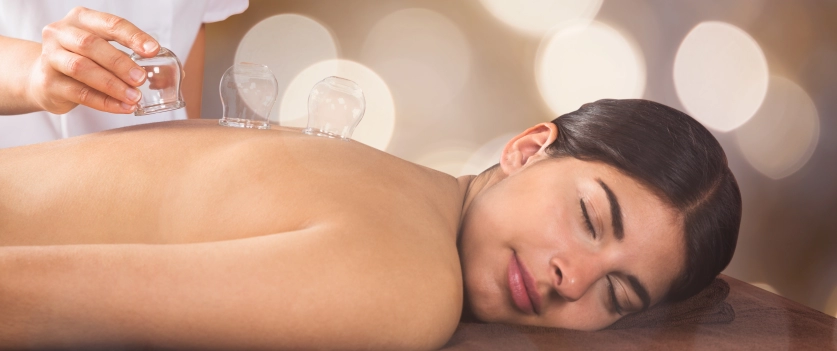
Stress isn’t just in your head – it lives in your muscles. Massage releases tension, improves circulation, and helps the body switch off “survival mode.” It’s one of the best ways to calm and relax body, mind, and spirit.
TYPES OF MASSAGE FOR STRESS – FIND THE RIGHT ONE FOR YOU
What to do when you're feeling really stressed? Stress and anxiety: Understanding the connection
- Seek professional help: If you feel overwhelmed, don’t hesitate to consult a specialist.
- Take a short break: Sometimes the best solution is to step away from the source of stress.
- Focus on the positive: Try to find the silver lining in the situation and concentrate on it.
Stress and anxiety often go hand in hand. While stress is a response to a specific threat or challenge, anxiety is a feeling of unease or fear that can be more vague. Chronic stress can lead to anxiety disorders, so it's important to take steps to manage it.
What can you do when stress starts to take over?
- Stop! – Before you panic, pause.
- Shift your focus. Find something to center your attention on – your breath, a sound, or an object in the room.
- Ground yourself. Feel your body – your feet on the floor, your palms on the table.
- Move. Take a walk, do a few squats, or simply stretch your shoulders.
Stress at work - Stress in the office
Work is one of the biggest sources of stress in the modern world. Deadlines, overload, toxic environments, and insecurity can turn any workday into a survival marathon.
But why does work stress us out so much, and what is workplace stress?
Main causes of stress at work:
- Excessive workload – Unrealistic expectations, too many tasks, no time for rest.
- Poor management and lack of control – If you have no say in your work, the feeling of powerlessness can lead to chronic stress.
- Toxic work environment – Bad relationships with colleagues or managers, lack of support, gossip.
- Job insecurity – Threats of layoffs, unstable positions, lack of career growth.
- Lack of work-life balance – When work “devours” your time for family, hobbies, and rest.
- Unfavorable physical conditions – Cold, heat, humidity, noise, dust, strong odors, or poor lighting can burden the body and increase stress levels.
- High responsibility with little control – Carrying big responsibilities without the power to change the situation leads to chronic stress.
- Lack of recognition and motivation – If your efforts go unnoticed, it's easy to lose motivation and feel overwhelmed.
- Always being available – The expectation to be "online" outside working hours keeps stress levels high and prevents recovery.
How to know when work stress is taking over?
- Constant fatigue and lack of motivation.
- Frequent headaches, neck and back pain.
- Irritability and tension.
- Trouble concentrating and forgetting important things.
- Sleep problems – trouble falling asleep or waking up in the middle of the night.
How to deal with office stress?
- Set boundaries – Working after hours? Forget it.
- Organize your priorities – You can't do everything at once. Multitasking is not the answer.
- Take short breaks – A 5-minute walk or a few deep breaths can save your day.
- Talk to your employer – If your workload is too much, communication is key.
- Create an ergonomic environment – A comfortable chair, properly positioned monitor, and good posture reduce tension and back pain.
- Adjust lighting – Poor lighting (too dim or too bright) can cause eye strain and headaches. Natural light is best.
- Use music for focus and relaxation – Calm instrumental music or nature sounds can ease tension and boost concentration.
- Keep your workspace cozy – Plants, photos, or small details that bring you joy can make work more pleasant.
- Alternate sitting and movement – Prolonged sitting increases tension in the body. Move every hour.
- Practice eye relaxation techniques – If you work on a screen, every 20 minutes look at something 20 feet away for 20 seconds (the 20-20-20 rule).
- Find ways to unwind after work – A walk, dinner with a friend, a massage. Massage is one of the best ways to neutralize work stress.
Work shouldn't be a source of suffering. If you feel like office stress is controlling you, it’s time to make a change.
The screens that drain us: How technology steals your peace of mind
Imagine someone constantly whispering in your ear: “Check your phone. Open another article. Scroll just a bit more.” You feel your brain overheating, but you can’t stop. The digital world has trapped you – and you don’t even realize it.
The TV bombards you with news that sounds like the trailer for an apocalyptic movie. Video games keep you up until the early hours without you noticing. Your phone vibrates nonstop, while social media makes you compare your life to the “perfect” photos of strangers.
Sounds familiar? That’s not a coincidence. Technology is designed to grab your attention – but at what cost?
In recent years, scientists have been warning more and more: constant exposure to screens and digital overload leads to anxiety, insomnia, chronic stress, and cognitive fatigue. It’s time to understand how devices affect our minds – and more importantly, how to take back control.
TV and the News: When the World Feels More Dangerous Than It Is
The constant stream of negative news can distort our perception of reality, making us believe the world is more dangerous than it actually is. This phenomenon, known as the "mean world syndrome," was described by media theorist George Gerbner.
You turn on the TV “just for a minute” to “stay informed.” Five minutes later, you’re buried under dramatic headlines about crises, disasters, and every possible threat, turning the world into a doomsday narrative.
But you know what? That’s not by accident.
Studies show that news broadcasts increase cortisol – the body’s main stress hormone. Chronic exposure to negative news can lead to anxiety, depression, and a warped sense of reality.
A 2022 APA study found that excessive media consumption contributes to mental strain and emotional overload.
How to reduce the effect?
- Limit news intake to 15–20 minutes per day.
- Choose reliable, balanced sources.
- Try a “news diet” – read uplifting news at the end of the day.
Video Games and Screen Time: When the Virtual World Takes Over
Excessive screen time, especially gaming, can disrupt sleep, reduce physical activity, and increase anxiety. Research shows that teens who spend more than two hours daily on screens report lower life satisfaction and more signs of depression.
“Just one more level…” – sound familiar?
Video games can be fun and relaxing, but overuse turns them into a source of stress, not relief.
Hours of screen exposure overstimulate dopamine production, which can lead to addiction and anxiety when you're not playing. Intense visual and audio effects before bed disrupt sleep and raise cortisol levels.
How to avoid video game stress?
Set time limits and stick to them.
Avoid action-heavy games before bed – opt for calming ones.
Take a break every 45–60 minutes to move your body.
Mobile Phones: When the World Is a Tap Away, but Calm Isn’t
Constant connectivity increases stress and anxiety. Studies link excessive smartphone use to higher levels of stress and depression in young people.
How many times have you checked your phone today?
Phones are like digital drugs – the more we use them, the harder it is to let go. Notifications, social media, endless messages – they keep the brain in a state of high alert.
Research shows that people using smartphones over 4 hours a day are more prone to anxiety, irritability, compulsive behavior, and even depression.
How to reduce phone-related stress?
Turn on “Do Not Disturb” during specific hours.
Keep your phone away from the bed at night.
Schedule “detox hours” – 1–2 screen-free hours before sleep.
Screen Light: The Silent Saboteur of Your Sleep
The light from phones, laptops, and TVs confuses your biological clock. Your body should release melatonin (the sleep hormone) at night, but screens emit blue light that tells the brain: “It’s still daytime!”
The result?
- Trouble falling asleep.
- Poor sleep quality.
- Higher morning stress levels.
How to fix it?
Use a blue light filter on your devices after sunset.
Reduce screen time at least 30–60 minutes before bed.
Read a paper book instead of scrolling through social media.
Low battery life? Time to recharge!
What if you took care of yourself as well as you take care of your phone?
Let’s be honest: we’re addicted to that little glowing rectangle in our hands. The moment the battery dips below 50%, we panic – hunting for outlets, plugging in power banks, switching on battery-saving mode just to hold on to those precious few percent.
You urgently search for a charger for your phone... but where’s yours?
When was the last time you looked at yourself with the same attention? When did you last notice your own “battery” running low – and actually did something about it?
Imagine that instead of running on fumes, you paused to truly recharge your mind and body – the way you obsessively recharge your phone. I’m talking about a powerful, completely transformative recharge. Do that, and you’ll stop dragging yourself out of bed with a sigh. You won’t need a caffeine IV drip just to get through the day. You’ll wake up each morning feeling unstoppable, laser-focused, ready to take on anything life throws your way.
It’s not rocket science – it’s a choice. Investing in yourself could be the difference between surviving on “low battery,” burned out and drained… or living fully charged and owning your day.
Forget living on reserve power. Give yourself the same love and attention you give that slab of glass and metal. Start today. Become a fully charged force of nature that doesn’t just survive the day – but absolutely owns it.
Because here’s the truth: Health and vitality don’t happen by accident. You don’t stumble into them. They happen because you make the conscious choice to prioritize yourself.
So what’s it going to be? Another day running on empty – or a life lived at full power?
Massage: Your personal stress therapist - The most effective tool for coping with stress
Stress builds up quietly – in your shoulders, your temples, in that heavy feeling that even when you stop, you still can’t relax. But there’s a way for the tension to melt away – not just momentarily, but completely. Massage is the key your body has been begging for.
Imagine turning off stress like pressing a button on a remote. No worries, no tension, no constant fatigue. No, it’s not a utopia or a quick trick – it’s massage.
When you’re under stress, your body literally forgets how to relax. The heart races, muscles tighten, the mind feels like an overloaded computer. Massage hits Ctrl+Alt+Delete on all of that.
People try all sorts of ways to cope with stress – pills, coffee, endless workouts, meditation they never actually do. But the truth is, the answer has always been within reach. Or more precisely – in the hands of a skilled therapist.
- Muscles that felt like steel cables soften.
- Your head, once heavy as stone, suddenly feels light.
- Your legs, which carried the burden of the day, now bask in deep, blissful rest.
- Your brain, always racing, finally slows down. For the first time in days – maybe weeks – it finds silence.
- And your mind? It no longer wanders through chaos – it discovers the harmony of inner peace.
Sounds good, right? This isn’t a luxury. It’s a necessity.
Massage doesn’t just “relax” you. It literally rewires your body.
While you fight stress with another coffee, another episode, another sleepless night, massage goes straight to your body’s command center and resets the system. How?
- It deactivates your body’s alarm mode – As soon as the massage begins, your brain receives a signal: “The threat is over.” Breathing slows, the heartbeat settles, and muscles release.
- It lowers cortisol – the stress hormone – Massage has been scientifically shown to reduce cortisol levels by up to 31%. That’s the difference between “I’m about to explode” and “I feel like a new person.”
- It boosts oxytocin, dopamine, and serotonin – the happiness hormones – The same chemicals your body releases when you're in love, eating chocolate, or achieving something great. Massage gives you that – with no side effects.
- It removes physical damage caused by stress – Headaches, back pain, stiff shoulders – it’s all tension that massage literally releases with skilled hands.
- It balances blood pressure – Chronic stress raises blood pressure, straining the heart. Massage helps relax blood vessels, improve circulation, and support natural lowering of blood pressure.
- It supports healthy heart rhythm – Under stress, the heart runs on high speed. Massage activates the parasympathetic nervous system, slowing heart rate and restoring balance.
- It reduces the risk of cardiovascular disease – Elevated cortisol and chronic stress increase the risk of heart attack and stroke. Regular massage helps regulate these processes and supports cardiovascular health.
- It eases rapid, shallow breathing – Stress can cause shortness of breath and tension. Massage relaxes the chest and diaphragm muscles, making breathing easier.
- It promotes deep breathing – During massage, the body calms and breath becomes deeper, improving oxygen delivery.
- It improves oxygen exchange – Massage stimulates circulation, allowing cells to receive more oxygen and release carbon dioxide more efficiently.
- It relieves emotional strain from stress – Anxiety, tension, nervousness – these accumulate in the body like invisible weight. Massage “switches off” the brain’s alarm and activates the parasympathetic system responsible for peace and safety.
- It reduces anxiety, worry, and depression – Massage tells the brain “You’re safe,” lowering cortisol while boosting serotonin and dopamine – the feel-good chemicals.
- It eases tension and nervousness – Our jaws, shoulders, and breath often stay clenched from stress. Massage helps release that tension, which immediately calms the mind too.
- It improves sleep and eases insomnia – If your mind races at night, your body is still in alert mode. Regular relaxing massages calm the nervous system, encouraging deeper, more restful sleep.
- It supports recovery from emotional exhaustion – Chronic stress drains energy and dulls emotions. After a relaxing massage, clients often report feeling lighter, emotionally renewed, and more alive. For harmony and balance, aromatherapy and aromatherapy massage are among the most preferred therapies.
- It restores emotional balance – Massage stimulates the nervous system in a way that reduces anxiety and promotes inner calm and harmony.
Massage isn’t just a pleasure – it’s a time-tested method for stress relief. In the rush of daily life, stress can sneak in unnoticed, affecting health and wellbeing. Massage offers a natural, effective way to handle this invisible enemy and helps restore balance and harmony to body and mind.
Health benefits of massage – full overview
Stress builds up. Time passes. And you? You keep postponing self-care. Your muscles are tense, your sleep is shallow, and your mind races without pause.
At the Padmalaya Massage Center, we understand that massage isn’t just a luxury. It’s a necessity. It’s how you restore balance, release tension, and give your mind the deep, real rest it craves.
Our team of certified massage therapists uses techniques that go beyond relaxation – they truly heal. Whether you’re looking for a deep tissue massage, a relaxing therapy, or a holistic aromatherapy session, we’ll create a personalized experience tailored to the needs of your body and mind.
Because you deserve more than temporary relief. You deserve real care.
Book your session today and restore harmony to your life.
Полезна, добре написана статия, която не звучи като поредния „съветнически“ материал, а като нещо истинско и човешко. И най-вече – напомня колко важно е да се грижиш за себе си, не само когато вече си на ръба. Благодаря ви!